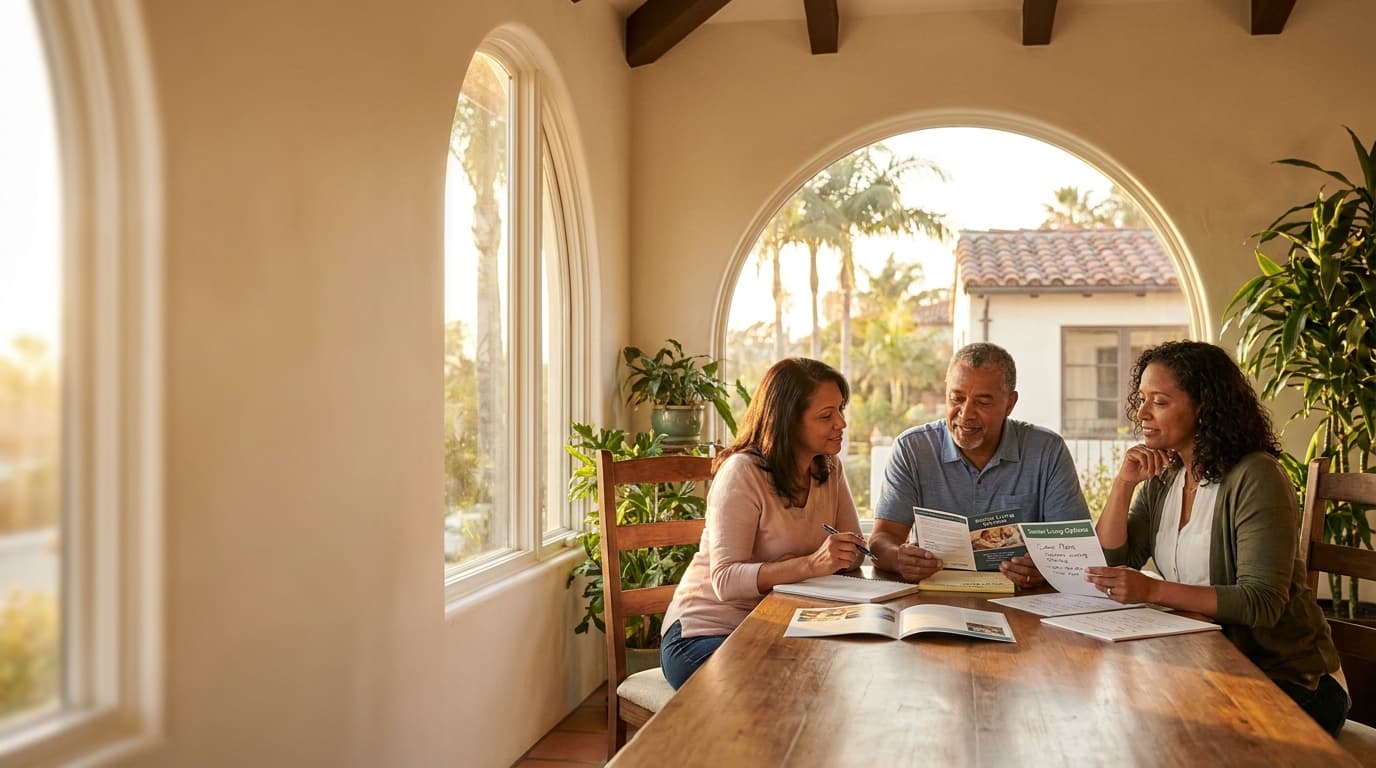
Many families reach a point where the need for more structured care is clear — to everyone except the person who needs it. A parent who is falling regularly, no longer eating properly, or becoming unsafe at home but who refuses to discuss senior living is one of the most common and most painful situations in family caregiving.
There is no single solution that works for every family. But there are approaches that work better than others, and understanding the options clearly is a useful starting point.
Resistance to senior living almost always has roots in specific fears — and addressing those fears directly is more effective than trying to overcome the refusal with logic or facts.
Common underlying fears: loss of independence and autonomy, fear of being abandoned by family, associations with nursing homes from a previous generation, fear of dying there, not wanting to leave a home that holds deep personal meaning, and genuine belief that they are managing fine when evidence suggests otherwise.
Asking directly — "What worries you most about this?" — and listening without immediately countering what you hear is often the most productive first conversation a family can have. The answer will usually point toward what actually needs to be addressed.
Trying to convince a resistant parent with facts and statistics rarely works and often backfires. Calling a family meeting and presenting a united front can feel like an ambush and increase resistance. Ultimatums almost always damage the relationship without moving things forward. Trying to manage the situation remotely through phone calls and logistics, without sustained in-person presence, is rarely enough.
Bringing in a neutral third party. A parent who dismisses concerns from a child may listen differently to a physician, a geriatric care manager, or a trusted family friend. A primary care doctor who is willing to have a frank conversation about safety is often more influential than any family member. Geriatric care managers are specifically skilled at engaging resistant older adults and conducting assessments in a way that feels collaborative rather than confrontational.
Starting smaller. For parents who reject the idea of assisted living, starting with less threatening forms of support — a home care aide a few hours a week, a meal delivery service, a senior center day program — can build tolerance for outside help and gradually shift the picture. It also sometimes reveals to the parent, over time, that more support is actually welcome.
Focusing on what they want, not what you want. A conversation framed as "I want to make sure you can stay as independent as possible for as long as possible — can we talk about what would help with that?" lands very differently from one framed as "We're worried about you and think you need to move."
Allowing natural consequences (within limits of safety). When a parent insists they are managing and the risks are not immediately life-threatening, sometimes allowing them to experience the difficulty of their current situation — while staying closely involved — builds readiness for change that external pressure cannot create.
If a parent lacks the cognitive capacity to make safe decisions for themselves due to dementia or another condition, the situation shifts from persuasion to protection. In these cases, families may need to work with an elder law attorney or adult protective services, or pursue guardianship or conservatorship through the courts if no prior legal planning (durable power of attorney, healthcare proxy) is in place.
This is a significant legal step with significant implications, and it should be a last resort — but it is an option when a parent is genuinely unable to protect themselves and is refusing help.
Waiting for a resistant parent to reach readiness — while managing safety concerns, family conflict, and your own life — is exhausting. Caregiver support groups for families in exactly this situation exist both locally and online. Finding others who have navigated this, and who can offer perspective and solidarity, matters more than it might seem.
Find Your Perfect Community
Take our free assessment to get matched with senior living communities tailored to your needs, budget, and location.
Take Our Free Assessment