
How to Keep Seniors Socially Engaged and Active
Social engagement is essential for seniors' emotional, mental, and physical well-being.
1 min
Free personalized senior living guidance for families
(253) 349-2273Loading...
Decades of research have made one thing clear: physical activity is among the most effective interventions available for maintaining health, function, and quality of life as we age. The benefits are not modest — they span nearly every system in the body and extend to mental health, cognitive function, and independence.
And yet physical inactivity among seniors remains widespread. Understanding what exercise actually does for the aging body is a powerful starting point for change.
Regular physical activity in older adults is associated with: a 30–40% reduction in falls risk, slower progression of cognitive decline and reduced dementia risk, improved management of chronic conditions including heart disease, diabetes, and arthritis, better sleep quality, reduced symptoms of depression and anxiety, improved bone density and reduced fracture risk, and longer functional independence.
A landmark study in JAMA found that older adults who engaged in moderate physical activity had a 35% lower risk of major mobility disability over three years compared to those who did not.
The physical activity guidelines from the CDC recommend that adults 65 and older aim for at least 150 minutes of moderate-intensity aerobic activity per week, plus muscle-strengthening activities at least two days per week, plus balance exercises to reduce fall risk.
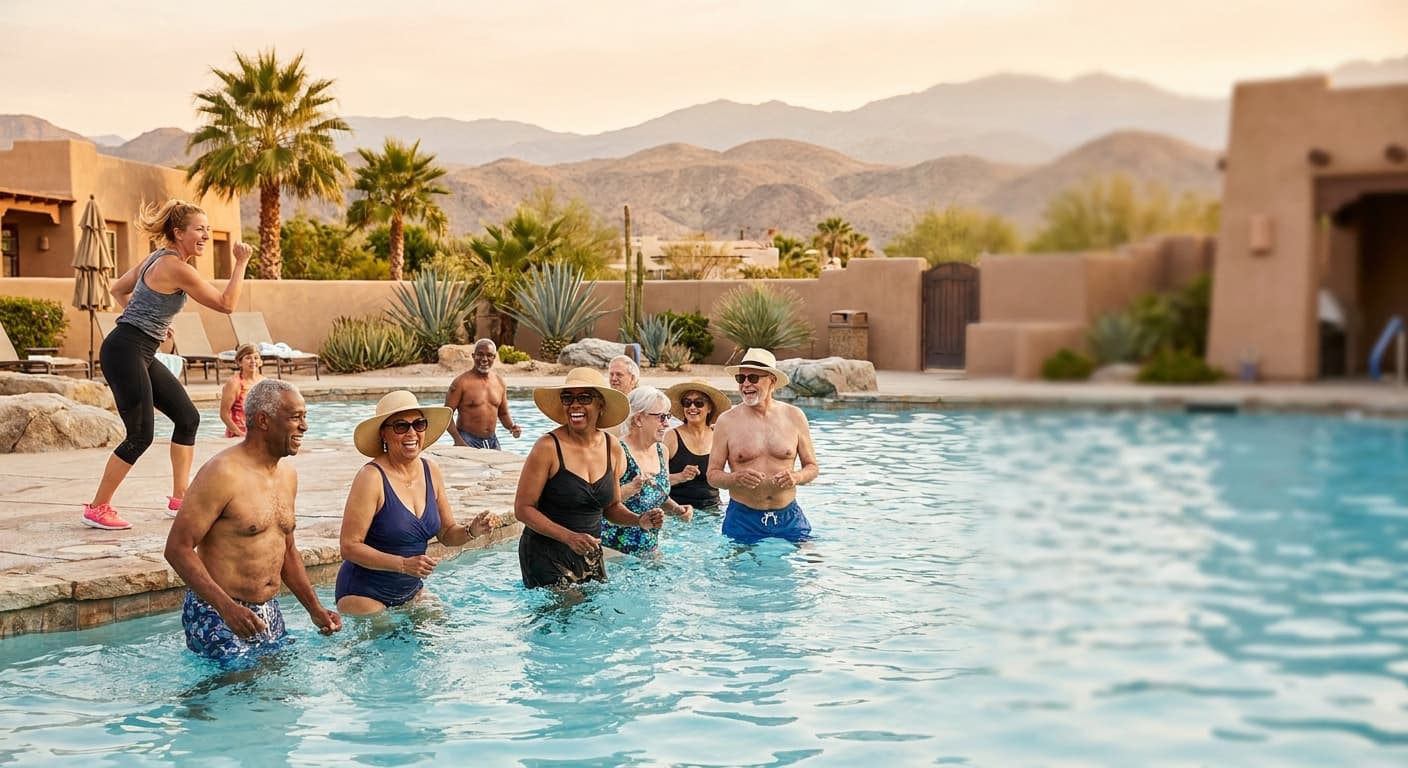
Practical options include walking (the single most accessible moderate-intensity activity), water aerobics and swimming (joint-friendly and excellent for cardiovascular health), chair yoga or gentle yoga, resistance band training, tai chi (especially beneficial for balance and fall prevention), and cycling on stationary bikes.
One of the benefits of senior living communities that families often don't fully appreciate until after the move is access to consistent, supervised fitness programming. Most assisted living and independent living communities offer group fitness classes, walking programs, swimming pools, and on-site physical therapy — all specifically designed for older adults and available without needing to drive anywhere.
This accessibility is meaningful. Research shows that proximity and social context are two of the strongest predictors of exercise adherence in older adults.
Before beginning a new exercise program, older adults — particularly those with heart disease, osteoporosis, or recent injury — should consult their physician. Most doctors are enthusiastic supporters of increased physical activity in their older patients and can provide guidance on safe starting points and contraindications.
Take our free assessment to get matched with senior living communities tailored to your needs, budget, and location.
Take Our Free AssessmentSocial engagement is essential for seniors' emotional, mental, and physical well-being.
Social isolation in older adults is linked to cognitive decline, depression, and early death. Learn why seniors become isolated, the health effects, and how community living can help.

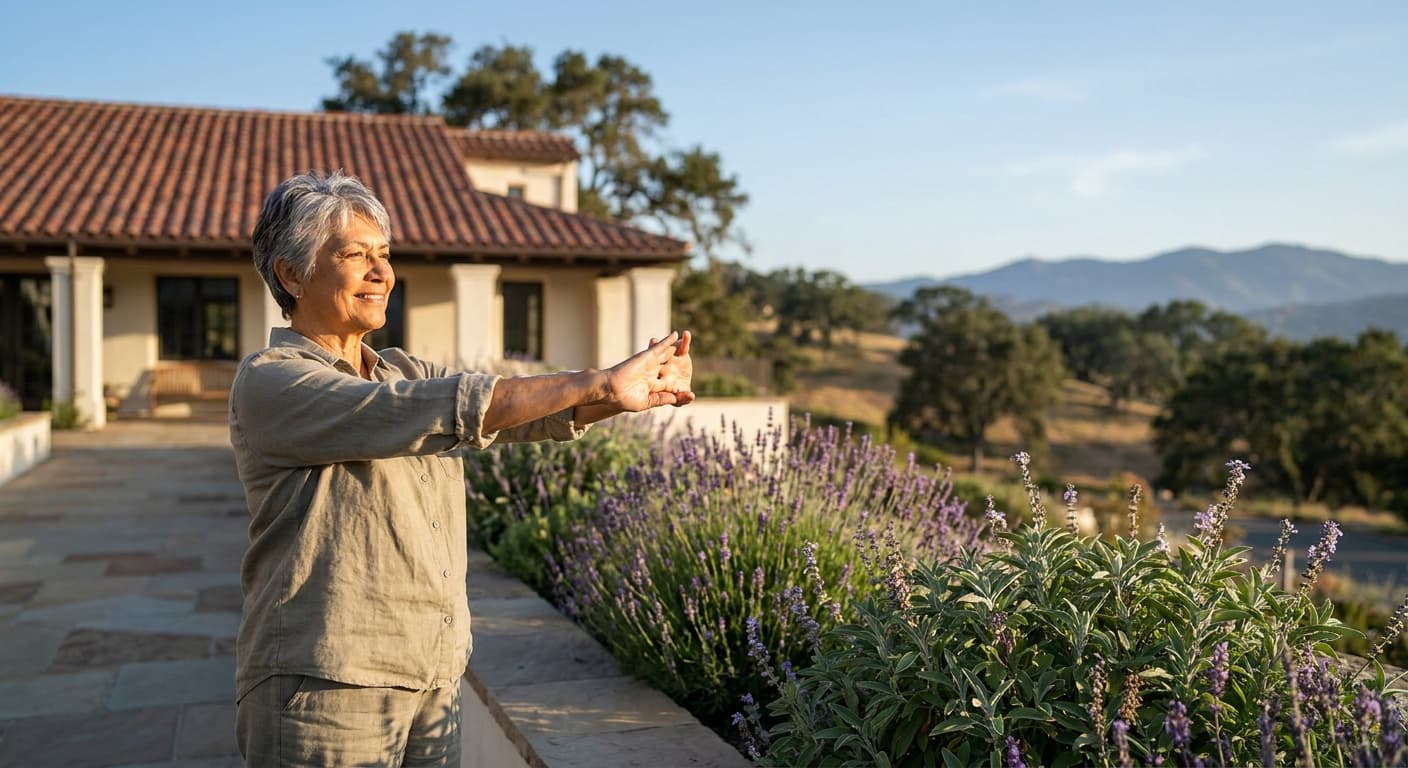
Staying physically active is one of the most important ways seniors can maintain their health and independence.
Get expert articles, community spotlights, and senior care resources delivered to your inbox.
We respect your privacy. Unsubscribe anytime.