The U.S. Surgeon General has called loneliness and social isolation a public health crisis — and among older adults, it's particularly severe. Research from the National Academies of Sciences found that approximately one-third of adults aged 45 and older feel lonely, and nearly one-quarter of adults 65 and older are considered socially isolated.
What makes this especially serious is that the health consequences of isolation are not merely emotional — they are deeply physical.
Studies have linked chronic social isolation in older adults to a 50% increased risk of dementia, a 29% increased risk of heart disease, a 32% higher risk of stroke, higher rates of depression and anxiety, weakened immune function, and a significantly elevated risk of premature death — comparable in magnitude to smoking 15 cigarettes a day.
Social connection, it turns out, is not a luxury. It is a fundamental driver of physical health across the lifespan.
Isolation in older adults typically results from a combination of life transitions: retirement removing a daily source of social contact, mobility limitations making it harder to leave home, loss of a spouse or close friends, chronic health conditions requiring more time managing care, hearing or vision loss making conversation difficult, and driving cessation removing independence.
Living alone — which more than 14 million Americans over 65 do — is one of the strongest predictors of isolation.
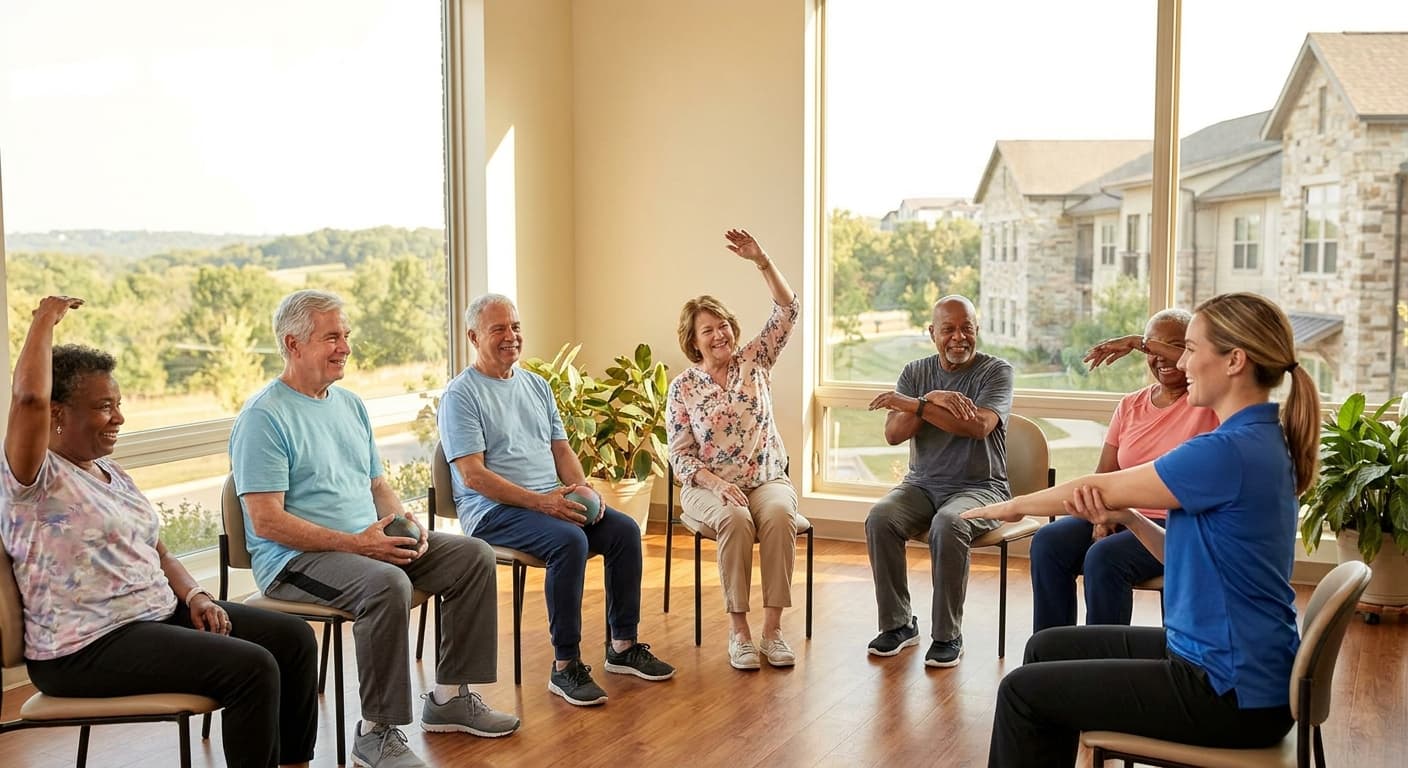
One of the most underappreciated benefits of senior living communities is their built-in social infrastructure. Meals in shared dining rooms, group fitness classes, organized outings, clubs, games, religious services, and spontaneous hallway conversations all add up to a fundamentally different daily social experience than living alone at home.
Multiple studies have found that seniors who move into community settings report significant improvements in mood, purpose, and engagement — even when the initial transition was difficult.
If you have a parent or loved one who is increasingly isolated, small interventions matter: regular phone and video calls, arranging transportation to events or religious services, connecting them with senior centers or volunteer programs, and, when the time is right, exploring senior living options that offer the social environment they may be missing.
A YourPath advisor can help you understand what kinds of communities — from independent living to assisted living — offer the social programming that matches your loved one's interests and personality.
Find Your Perfect Community
Take our free assessment to get matched with senior living communities tailored to your needs, budget, and location.
Take Our Free Assessment